"You shall make an altar on which to burn incense; you shall make it of acacia wood. A cubit shall be its length, and a cubit its breadth. It shall be square, and two cubits shall be its height. Its horns shall be of one piece with it. You shall overlay it with pure gold, its top and around its sides and its horns. And you shall make a moulding of gold around it." (Exodus 30:1-3)
The Lord said to Moses, "Take the finest spices: of liquid myrrh 500 shekels, and of sweet-smelling cinnamon half as much, that is, 250, and 250 of aromatic cane, 24 and 500 of cassia, according to the shekel of the sanctuary, and a hin of olive oil. And you shall make of these a sacred anointing oil blended as by the perfumer; it shall be a holy anointing oil." (Exodus 30:22-25 ESV)
The Lord said to Moses, "Take sweet spices, stacte, and onycha, and galbanum, sweet spices with pure frankincense (of each shall there be an equal part), and make an incense blended as by the perfumer, seasoned with salt, pure and holy. You shall beat some of it very small, and put part of it before the testimony in the tent of meeting where I shall meet with you. It shall be most holy for you." (Exodus 30:34-36)
In this one chapter of Exodus, chapter 30, where God informs Moses the procedure where the priest may enter into the presence of God himself, we encounter the Magi's gifts again. Gold, frankincense and myrrh. I believe this reveals the most significant and prophetic aspect of these three gifts: They relate to the presence of God himself!
Even in the previous passage relating to Solomon we can see imagery that is rich with symbolism of the presence of God himself. The column of smoke in the wilderness and the golden "seat" transported on two poles. Strong parallels with the presence of God above the ark during the time of the exodus.
Before Jesus came to die, he came to live and fulfil the prophecy of Immanuel - God with us. Jesus was (and is!) the very presence of God in the midst of his people in a way that the ark and the temple could only foreshadow. God himself became flesh and dwelt among us. The Magi's gifts were thus also a fitting prophetic declaration that now one greater than the temple was here!
Frankincense was made into incense used by the high priest when he entered before the presence of God.
Myrrh was made into the holy anointing oil used on God's prophets, priests and kings.
Gold was used to cover everything in the temple that communicated the glorious presence of God himself.
Jesus came as our great high priest to bring us back into the presence of God. He came as the Christ - the anointed one - to live a life full of the power of the Holy Spirit. He came as king and to reveal the glory of God the father.
But there is still one more truth to unlock. For the true message of Christmas is not the gifts the Magi gave to the Christ, but the gift God in Christ gave to the world. The gold, frankincense and myrrh are also prophetic of the gifts that Christ still gives to us.
He has opened up the way for us to come freely into the presence of God. He has poured out the Holy Spirit for us to live in his anointing. He has given us authority to demonstrate the glory of his presence - his here and now kingdom rule on earth as it is in heaven. Frankincense, myrrh and gold - given by Christ to all those who have called on his name.
Have a wonderful Christmas.
Showing posts with label prophetic symbolism. Show all posts
Showing posts with label prophetic symbolism. Show all posts

12.12.11
Gold, Frankincense and Myrrh
And going into the house they saw the child with Mary his mother, and they fell down and worshipped him. Then, opening their treasures, they offered him gifts, gold and frankincense and myrrh. (Matthew 2:11 ESV)
'Tis the time of year when thoughts turn to all things Christmas. Family, turkey dinners, shopping, carols, fir trees, tinsel and of course the tableau of the baby in the manger - the greatest gift ever given - that of God himself who so loved the world that he gave his only son.
We all know the story of the wise men / kings / magi who came from the east to worship the baby king, and of the three gifts they gave. The way the bible records these gifts shows that they were clearly significant.
Conventional wisdom states that the gold was a gift for a king, and the other two fragrant gifts were to prepare him for burial. Perhaps so. He certainly was the king who was born with a mission to die. He came to take upon himself the punishment that we deserved so that all might be forgiven freely by his grace if they accept him as Lord.
But perhaps there is more here to dig out. Even if the death symbolism is correct, I certainly doubt it was what the Magi had in mind. They went to lengths to save him from Herod's machinations. Even his own disciples who had been with him three years struggled to grasp the significance of his death until after the resurrection. As always the best reference to biblical imagery and symbolism is the bible itself. So what does the bible say about gold, frankincense and myrrh? Where else do we find these three together in the scriptures?
One description I believe is highly significant is that of Solomon, the Son of David, riding out of the wilderness in his kingly glory:
What is that coming up from the wilderness like columns of smoke, perfumed with myrrh and frankincense, with all the fragrant powders of a merchant? Behold, it is the litter of Solomon! King Solomon made himself a carriage from the wood of Lebanon. He made its posts of silver, its back of gold, its seat of purple; its interior was inlaid with love by the daughters of Jerusalem. (Song of Songs 3:6-7a,9-10 ESV)
This would certainly fit with the messianic expectation surrounding God's promised king. He would be the son of David, like Solomon, smelling of myrrh and frankincense and seated on gold. This was how many people received Jesus, especially those who were looking for deliverance: "Jesus, son of David, have mercy on me!" or those who were looking for a restoration of the kingdom of Israel, "Hosanna to the son of David!"
Jesus may have been born in a manger, but the Magi recognised that this was God's chosen king. The promised son of David come to bring deliverance and restoration whose kingdom rule would never end.
But this is not the only place these three are found together. There is I believe an even more significant occurrence in the temple of God itself...
[Continued here]
'Tis the time of year when thoughts turn to all things Christmas. Family, turkey dinners, shopping, carols, fir trees, tinsel and of course the tableau of the baby in the manger - the greatest gift ever given - that of God himself who so loved the world that he gave his only son.
We all know the story of the wise men / kings / magi who came from the east to worship the baby king, and of the three gifts they gave. The way the bible records these gifts shows that they were clearly significant.
Conventional wisdom states that the gold was a gift for a king, and the other two fragrant gifts were to prepare him for burial. Perhaps so. He certainly was the king who was born with a mission to die. He came to take upon himself the punishment that we deserved so that all might be forgiven freely by his grace if they accept him as Lord.
But perhaps there is more here to dig out. Even if the death symbolism is correct, I certainly doubt it was what the Magi had in mind. They went to lengths to save him from Herod's machinations. Even his own disciples who had been with him three years struggled to grasp the significance of his death until after the resurrection. As always the best reference to biblical imagery and symbolism is the bible itself. So what does the bible say about gold, frankincense and myrrh? Where else do we find these three together in the scriptures?
One description I believe is highly significant is that of Solomon, the Son of David, riding out of the wilderness in his kingly glory:
What is that coming up from the wilderness like columns of smoke, perfumed with myrrh and frankincense, with all the fragrant powders of a merchant? Behold, it is the litter of Solomon! King Solomon made himself a carriage from the wood of Lebanon. He made its posts of silver, its back of gold, its seat of purple; its interior was inlaid with love by the daughters of Jerusalem. (Song of Songs 3:6-7a,9-10 ESV)
This would certainly fit with the messianic expectation surrounding God's promised king. He would be the son of David, like Solomon, smelling of myrrh and frankincense and seated on gold. This was how many people received Jesus, especially those who were looking for deliverance: "Jesus, son of David, have mercy on me!" or those who were looking for a restoration of the kingdom of Israel, "Hosanna to the son of David!"
Jesus may have been born in a manger, but the Magi recognised that this was God's chosen king. The promised son of David come to bring deliverance and restoration whose kingdom rule would never end.
But this is not the only place these three are found together. There is I believe an even more significant occurrence in the temple of God itself...
[Continued here]
16.6.11
The Good, The Bad and The Ugly
2Samuel 19:16-40
I have been reading and meditating on the return of David to his kingdom in 2 Samuel. As well as an actual historic account it is a time period rich with prophetic significance. The king returns to unite and restore the kingdom, but at the price of the death of his own son; lifted up on a tree and pierced. David's reaction at this time is one of the few precious insights we have in the scriptures into the Father's heart as he expressed the amazing depths of his love for the world when he sent Jesus his son to die (Abraham and Jephthah are two others).
I was struck by the account just before he crossed back over the Jordan, and the three characters that came to meet him there: Barzillai the companion, Shimei the curser, and Mephibosheth the cripple. The good, the bad and the ugly. One had stayed loyal and faithful to David even in his darkest hour, one had displayed outright rebellion against him, and one despite his best intentions had felt that he had failed and let him down: The friend, the foe and the "failure".
All three present themselves to the king at his return.
Although these three characters are separate individuals in this account, I see them also as representatives of aspects of our own lives. The good, the bad and the ugly that lies within each of us. We often like to pretend that we are all "Barzillai". That's the side we like to project to the world around. We like people to see what we get right. The times when we are strong in the Lord. The exploits of faith. We are not so quick to acknowledge the times when the unruled flesh rises up in selfish rebellion to the the rule of God, or the times when despite our best efforts we fell flat on our face!
But God doesn't want us to put on a façade when we come before him. He is not fooled by our "best face". He knows us warts and all. He want us to submit all to him. The great grace of our kingly Father is revealed in this account. He does not just reward the good... he forgives the bad, and restores the ugly. No sin is too bad, no failure too shameful. The king extends his grace to all who come to him and desires to bring his rule, order and peace once again.
I have been reading and meditating on the return of David to his kingdom in 2 Samuel. As well as an actual historic account it is a time period rich with prophetic significance. The king returns to unite and restore the kingdom, but at the price of the death of his own son; lifted up on a tree and pierced. David's reaction at this time is one of the few precious insights we have in the scriptures into the Father's heart as he expressed the amazing depths of his love for the world when he sent Jesus his son to die (Abraham and Jephthah are two others).
I was struck by the account just before he crossed back over the Jordan, and the three characters that came to meet him there: Barzillai the companion, Shimei the curser, and Mephibosheth the cripple. The good, the bad and the ugly. One had stayed loyal and faithful to David even in his darkest hour, one had displayed outright rebellion against him, and one despite his best intentions had felt that he had failed and let him down: The friend, the foe and the "failure".
All three present themselves to the king at his return.
Although these three characters are separate individuals in this account, I see them also as representatives of aspects of our own lives. The good, the bad and the ugly that lies within each of us. We often like to pretend that we are all "Barzillai". That's the side we like to project to the world around. We like people to see what we get right. The times when we are strong in the Lord. The exploits of faith. We are not so quick to acknowledge the times when the unruled flesh rises up in selfish rebellion to the the rule of God, or the times when despite our best efforts we fell flat on our face!
But God doesn't want us to put on a façade when we come before him. He is not fooled by our "best face". He knows us warts and all. He want us to submit all to him. The great grace of our kingly Father is revealed in this account. He does not just reward the good... he forgives the bad, and restores the ugly. No sin is too bad, no failure too shameful. The king extends his grace to all who come to him and desires to bring his rule, order and peace once again.
Jesus take me as I am,
I can come no other way,
Take me deeper into you,
Make my flesh life melt away.
Make me like a precious stone,
Crystal clear and finely honed.
Love of Jesus shining through,
Giving glory back to you.
~ Dave Bryant, 1978 Kingsway’s Thankyou Music
2.2.10
Preaching Audio: The Prophet Like Moses
Apologies for not writing anything for a while. Blogging has slipped down on the priority list. You can listen to a word I preached a week ago at City Church Coventry, here: http://bit.ly/dyyTfY
12.8.08
The Prophetic Cup
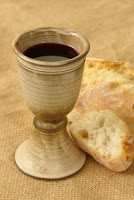 Then he commanded the steward of his house, "Fill the men’s sacks with food, as much as they can carry, and put each man’s money in the mouth of his sack, and put my cup, the silver cup, in the mouth of the sack of the youngest, with his money for the grain." And he did as Joseph told him.
As soon as the morning was light, the men were sent away with their donkeys. They had gone only a short distance from the city. Now Joseph said to his steward, "Up, follow after the men, and when you overtake them, say to them, 'Why have you repaid evil for good? Is it not from this that my lord drinks, and by this that he practices divination? You have done evil in doing this.'" (Ge 44:1-5)
I don't know if you have ever wondered about this passage. Did Joseph really use a cup for divination? Had he been led astray by the practices of the Egyptians to the extend that he forgot the one who had revealed to him the future on many occasion through dream and interpretation? Had he sunk to pagan rituals and practices to try to gain knowledge that can only be found in God?
Or was it a ruse? Was he still playing the part of the stern foreign ruler, who had set himself against the brothers from a foreign land? A deliberate deception to play his brothers into his hands?
I don't believe the former, and while the later is certainly true to an extent, I don't think it captures the full significance of this passage. To divine, was to predict the future, by the means of interpreting signs. Now, if Joseph had used the cup to peer into and make predictions based on the shape of the residue left in the bottom, he would clearly have strayed into pagan ritual. But what if the cup itself was the sign, the means by which he prophesied what God would do in the future.
The problem is there is no record of how Joseph used the cup to communicate what would happen in the future... or is there?...
You see, there is something powerful here. A first mention of a "prophetic cup." One that was hidden to be revealed at the right time. One that was found with the grain to make the bread they needed to live. One that spoke of a sentence of death, that was lifted because Judah offered himself willingly as a substitute for the punishment that should have come.
Joseph's cup is indeed a prophetic cup for it speaks of Christ's cup. One from the line of Judah who would offer himself willingly for those of whom he is the first of many brothers. One who took fully the punishment that was rightfully ours, because of the sin found in our own sack. One who took a cup that spoke of the Lord's wrath and drained it to the bottom, so that what comes to us is instead a cup of blessing, of reconciliation, of joy and of peace.
Jesus himself used a cup to prophesy what was to come. For although we now drink this cup to remember his death, his resurrection, the sealing of the New Covenant in his blood, and the unity of his body, the church, brought forth from his sacrifice; Jesus when he took the cup was prophesying and declaring the things that were yet to come.
And the cup of Christ is still a prophetic cup. The writer to the Hebrews tells us that the blood of Christ still speaks; it speaks a better word than the blood of Abel. It declares the "Yes, and Amen" of God to all the promises of God in Jesus. It prophesies the blessing of God to those still living in the residue of the curse. It prophesies health to those who are sick. It prophesies the abundance of God's rich provision to those who are in need. It prophesies fruitfulness to those who are barren. It prophesies that goodness and mercy will follow us all the days of our lives. It prophesies of a bride who has made herself ready to drink the cup with joy in the wedding banquet of the Lamb.
Down through history, men have been in search of the true cup of Christ. The vessel imbued with the virtue of Christ himself, a means of blessing to all who find it, and a source of eternal life to all who drink of it. But it was never to be found in the Grail, it has been hidden all along within the Church and the gospel message she carries, waiting to be revealed! We are now the Lord's prophetic cup. A sign to the world though which he chooses to speak of what is to come.
One day every knee will bow, and every tongue will confess that Jesus is Lord. One day the earth will be filled with the knowledge of the glory of God. One day God's kingdom will be established and his will done on earth as it is in heaven. But in the church these future hopes are a present reality. The church is the community of those who bow the knee and confess that Jesus is Lord. The church is the place where the knowledge of God's glory is revealed. The church are those who have submitted themselves to his rule and bring the will of heaven down to the earth.
The church is God's precious chosen vessel through which he continues to speak to this world of what is to come.
What is true on a corporate level is also true on an individual level. The Lord's house contains a treasure of precious cups, just as it did under the Old Covenant. We are all vessels in the master's hands, chosen for his service and pleasure. The only question is what sort of vessel do we desire to be? Are we content to sit on the shelf until he comes, or do we want to be those precious cups, kept clean and ready for his use? Not those who are looking inward at the dregs of the flesh and trying to bring forth something to fill the air, but those full of the new wine of the Spirit, overflowing with the joy of the Lord - willing to be used to speak on his behalf: the Lord's precious prophetic cups.
Now in a great house there are not only vessels of gold and silver but also of wood and clay, some for honourable use, some for dishonourable. Therefore, if anyone cleanses himself from what is dishonourable, he will be a vessel for honourable use, set apart as holy, useful to the master of the house, ready for every good work. (2Ti 2:20-21)
30.7.08
Calling Down Fire from Heaven
 And at the time of the offering of the oblation, Elijah the prophet came near and said, “O Lord, God of Abraham, Isaac, and Israel, let it be known this day that you are God in Israel, and that I am your servant, and that I have done all these things at your word. Answer me, O Lord, answer me, that this people may know that you, O Lord, are God, and that you have turned their hearts back.” Then the fire of the Lord fell and consumed the burnt offering and the wood and the stones and the dust, and licked up the water that was in the trench. And when all the people saw it, they fell on their faces and said, “The Lord, he is God; the Lord, he is God.” (1Ki 18:36-39)
But Elijah answered the captain of fifty, “If I am a man of God, let fire come down from heaven and consume you and your fifty.” Then fire came down from heaven and consumed him and his fifty. (2Ki 1:10)
Calling down fire from heaven was one of the hallmarks of the prophet Elijah. He did it on three occasions. Once, famously, on mount Carmel when he defeated the prophets of Baal, and twice more when two presumptuous military captains thought that fifty men were a more than a match for one man of God.
Elijah is also a powerful type of the church in the Old Testament. Those who in the Spirit and power of Elijah will prepare the way for the Lord by turning the disobedient back to the way of God, and preparing his people for his coming. Just as Elijah made way for Elisha (lit. Lamb of God) and John the Baptist prepared the way for the first coming of Jesus; the church are those with the ministry of getting the world ready for his second coming. Elijah must come first and restore all things.
Does this mean that the church should also be hallmarked by those who call fire down from heaven?
It's an interesting question. I wonder if James and John were thinking along these lines in Luke 9:54? Although though they clearly got the wrong end of the stick, they obviously had an expectation that they should be following the pattern of Elijah.
And when his disciples James and John saw it, they said, “Lord, do you want us to tell fire to come down from heaven and consume them?” But he turned and rebuked them. (Luke 9:54-55)
Jesus' rebuke makes it clear that if we are to call fire down from heaven it is not for the purpose of consuming our enemies. In fact, the disciples would have to wait for Pentecost to see the kind of fire he had in mind.
John answered them all, saying, “I baptize you with water, but he who is mightier than I is coming, the strap of whose sandals I am not worthy to untie. He will baptize you with the Holy Spirit and with fire. (Luke 3:16)
And divided tongues as of fire appeared to them and rested on each one of them. And they were all filled with the Holy Spirit and began to speak in other tongues as the Spirit gave them utterance. (Ac 2:3-4)
It's a fire that does not consume, but rests and abides. A fire that does not destroy the enemies of God, but causes them to turn aside to see. A fire that does not fall upon a sacrifice of dead flesh, but a fire that falls upon living spiritual sacrifices that have laid their lives on the altar and soaked themselves repeatedly in the river of living water that flows out from within. It's a fire that falls upon a restored altar where the living stones are together in unity. It's a fire that falls in response to the prayer, "That they may know that you are God, and we are your people." It's a fire that causes the prophetic spirit to burn so bright within all that men fall down and exclaim, "The Lord, he is God! The Lord, he is God!"
These are the days of Elijah. Now is the time to call down this fire from heaven.
17.3.08
On Rivers, Threads and Motifs
A river flowed out of Eden to water the garden, and there it divided and became four rivers. The name of the first is the Pishon. It is the one that flowed around the whole land of Havilah, where there is gold. And the gold of that land is good; bdellium and onyx stone are there. The name of the second river is the Gihon. It is the one that flowed around the whole land of Cush. And the name of the third river is the Tigris, which flows east of Assyria. And the fourth river is the Euphrates. (Ge 2:10-14)
And they shall make the ephod of gold, of blue and purple and scarlet yarns, and of fine twined linen, skillfully worked. (Ex 28:6)
I mentioned in a previous post about the link between the symbolism in the four-coloured threads of the high priest's garments, and the four rivers that flowed out of Eden. This was because I saw in the four colours four aspects of God's eternal plan to reach the whole world.
The gold, the colour of the presence, represents the glory of God and God's purpose to fill the whole earth with the knowledge of his glory.
The blue, the colour of heaven, holiness, and the revealed word of God. It is God's intention that his voice go out to every nation, and that we follow his revealed purpose to bring the realities of heaven into being on the earth.
The purple, the royal colour is the colour of the kingdom, and God's intention that his righteous kingdom order be extended to the whole earth as men and women in his image establish his rule on his behalf.
The crimson, the colour of shed blood, that represents the covenant - and ultimately the gospel revealed in the New Covenant in Christ's blood. A message of good news that must be taken to every people, tribe and tongue.
Clearly there is a link with the symbolism of the waters of Eden dividing into four to reach the four corners of the world. But I wondered if there was a closer correlation between the four rivers and the four threads, or more specifically the motifs behind them: glory, revelation, kingdom and covenant.
The first link is easy to make: the Pishon is described in terms of the gold that it flows through.
The others are not so easy, but these are the connection that I made...
The Gihon is described in terms of flowing around the whole land. As taking the land is a frequent parallel in the Old Testament with extending the Kindom, this would link it with the purple thread.
Tigris means "Rushing waters" - as the voice of God is described in terms of the roar of many waters, this would link it with the blue thread.
Euphrates means either "Fruitful" or "Carrying forward". It's not unreasonable to link this with the covenant purpose of God in the gospel that is carried forward to produce a fruitful harvest from among men.
Of course, all of this is purely academic unless the Scriptures themselves associate these rivers with these motifs elsewhere. So what are the associations linked with these rivers when they are next used in Scripture?
Is Gihon linked with Kingdom?
King David said, “Call to me Zadok the priest, Nathan the prophet, and Benaiah the son of Jehoiada.” So they came before the king. And the king said to them, “Take with you the servants of your lord and have Solomon my son ride on my own mule, and bring him down to Gihon. And let Zadok the priest and Nathan the prophet there anoint him king over Israel. Then blow the trumpet and say, ‘Long live King Solomon!’ (1Ki 1:32-34)
Is the Tigris linked with revelation?
In the third year of Cyrus king of Persia a word was revealed to Daniel, who was named Belteshazzar. And the word was true, and it was a great conflict. And he understood the word and had understanding of the vision. In those days I, Daniel, was mourning for three weeks. I ate no delicacies, no meat or wine entered my mouth, nor did I anoint myself at all, for the full three weeks. On the twenty-fourth day of the first month, as I was standing on the bank of the great river (that is, the Tigris)... (Dan 10:1-4)
And is the Euphrates linked with the covenant purpose of God?
On that day the Lord made a covenant with Abram, saying, “To your offspring I give this land, from the river of Egypt to the great river, the river Euphrates (Ge 15:18)
Just coincidence, or a helpful framework for unpacking some of the symbolic significance in the Scriptures? I'll let you decide.
And they shall make the ephod of gold, of blue and purple and scarlet yarns, and of fine twined linen, skillfully worked. (Ex 28:6)
I mentioned in a previous post about the link between the symbolism in the four-coloured threads of the high priest's garments, and the four rivers that flowed out of Eden. This was because I saw in the four colours four aspects of God's eternal plan to reach the whole world.
The gold, the colour of the presence, represents the glory of God and God's purpose to fill the whole earth with the knowledge of his glory.
The blue, the colour of heaven, holiness, and the revealed word of God. It is God's intention that his voice go out to every nation, and that we follow his revealed purpose to bring the realities of heaven into being on the earth.
The purple, the royal colour is the colour of the kingdom, and God's intention that his righteous kingdom order be extended to the whole earth as men and women in his image establish his rule on his behalf.
The crimson, the colour of shed blood, that represents the covenant - and ultimately the gospel revealed in the New Covenant in Christ's blood. A message of good news that must be taken to every people, tribe and tongue.
Clearly there is a link with the symbolism of the waters of Eden dividing into four to reach the four corners of the world. But I wondered if there was a closer correlation between the four rivers and the four threads, or more specifically the motifs behind them: glory, revelation, kingdom and covenant.
The first link is easy to make: the Pishon is described in terms of the gold that it flows through.
The others are not so easy, but these are the connection that I made...
The Gihon is described in terms of flowing around the whole land. As taking the land is a frequent parallel in the Old Testament with extending the Kindom, this would link it with the purple thread.
Tigris means "Rushing waters" - as the voice of God is described in terms of the roar of many waters, this would link it with the blue thread.
Euphrates means either "Fruitful" or "Carrying forward". It's not unreasonable to link this with the covenant purpose of God in the gospel that is carried forward to produce a fruitful harvest from among men.
Of course, all of this is purely academic unless the Scriptures themselves associate these rivers with these motifs elsewhere. So what are the associations linked with these rivers when they are next used in Scripture?
Is Gihon linked with Kingdom?
King David said, “Call to me Zadok the priest, Nathan the prophet, and Benaiah the son of Jehoiada.” So they came before the king. And the king said to them, “Take with you the servants of your lord and have Solomon my son ride on my own mule, and bring him down to Gihon. And let Zadok the priest and Nathan the prophet there anoint him king over Israel. Then blow the trumpet and say, ‘Long live King Solomon!’ (1Ki 1:32-34)
Is the Tigris linked with revelation?
In the third year of Cyrus king of Persia a word was revealed to Daniel, who was named Belteshazzar. And the word was true, and it was a great conflict. And he understood the word and had understanding of the vision. In those days I, Daniel, was mourning for three weeks. I ate no delicacies, no meat or wine entered my mouth, nor did I anoint myself at all, for the full three weeks. On the twenty-fourth day of the first month, as I was standing on the bank of the great river (that is, the Tigris)... (Dan 10:1-4)
And is the Euphrates linked with the covenant purpose of God?
On that day the Lord made a covenant with Abram, saying, “To your offspring I give this land, from the river of Egypt to the great river, the river Euphrates (Ge 15:18)
Just coincidence, or a helpful framework for unpacking some of the symbolic significance in the Scriptures? I'll let you decide.
12.3.08
Still got the Blues
While we are on the subject of "blues". I couldn't resist a little detour to highlight some Blues of the musical variety!
The first clip is Gary Moore, one of my all-time favourite musicians, playing Still Got the Blues.
The second clip is a recent discovery for me. He's an American blues/rock guitarist by the name of Joe Bonamassa. I saw him live a few weeks ago, and well... superlatives fail me. This is him playing Bridge to Better Days live on Dutch T.V.
The first clip is Gary Moore, one of my all-time favourite musicians, playing Still Got the Blues.
The second clip is a recent discovery for me. He's an American blues/rock guitarist by the name of Joe Bonamassa. I saw him live a few weeks ago, and well... superlatives fail me. This is him playing Bridge to Better Days live on Dutch T.V.
11.3.08
Sacré Bleu!
Pardon my French! The title to this post literally means "Holy Blue!" and is an outdated expletive in French. Please excuse me if I have offended any French readers sensibilities... but I couldn't resist!
You see my friend, Richard, pointed out that the colour blue is also associated with holiness. As this is an important point, I decided to write a new post rather than hide a response away in the comments section.
In my own studies into the significance of this colour, I found the same thing. Especially in relation to the holy things in the tabernacle.
When the camp is to set out, Aaron and his sons shall go in and take down the veil of the screen and cover the ark of the testimony with it. Then they shall put on it a covering of goatskin and spread on top of that a cloth all of blue, and shall put in its poles. (Nu 4:5-6)
Here the ark, the representation of the holy presence of God, was covered with a cloth of blue. If you read on, you discover that all the holy things were to be covered in blue when they were transported.
The writer to the Hebrews says that these items were just copies of the heavenly realities that are fulfilled in Christ. They are thus pieces of a heavenly reality made manifest on the earth.
Blue is therefore an appropriate colour for these holy things, for it is after all the colour of the heavens above. It symbolises something of heaven made present on the earth.
This adds an important significance to the "blue thread" of God's eternal purpose that runs all the way through Scripture: it is the Father's heart to make heaven manifest on the earth.
This is how Jesus taught us to pray - that his kingdom would come on earth as it is in heaven. This is the vision that Daniel interpreted - a rock cut out of a heavenly mountain that grew until it reproduced that same mountain on the earth.
This is not a contradiction of seeing blue as representing the word of God, but it does align it (as I thought) more with the prophetic ministry of the word, rather than the teaching ministry. For it is the essence of prophetic ministry to see into the realities that are in heaven and lay hold of them, bringing them into the here and now.
Indeed the concepts of heavenly holiness, the word of God, and the river seem to be closely linked - not just by colour-coincidence...
Husbands, love your wives, just as Christ loved the church and gave himself up for her to make her holy, cleansing her by the washing with water through the word, and to present her to himself as a radiant church, without stain or wrinkle or any other blemish, but holy and blameless. (Eph 5:25-27 NIV)
Perhaps this also is the significance of the tassels of blue on the corners of the robes. As we walk in line with the word of God, with every step we take, the colour of heaven is touching the earth.
You see my friend, Richard, pointed out that the colour blue is also associated with holiness. As this is an important point, I decided to write a new post rather than hide a response away in the comments section.
In my own studies into the significance of this colour, I found the same thing. Especially in relation to the holy things in the tabernacle.
When the camp is to set out, Aaron and his sons shall go in and take down the veil of the screen and cover the ark of the testimony with it. Then they shall put on it a covering of goatskin and spread on top of that a cloth all of blue, and shall put in its poles. (Nu 4:5-6)
Here the ark, the representation of the holy presence of God, was covered with a cloth of blue. If you read on, you discover that all the holy things were to be covered in blue when they were transported.
The writer to the Hebrews says that these items were just copies of the heavenly realities that are fulfilled in Christ. They are thus pieces of a heavenly reality made manifest on the earth.
Blue is therefore an appropriate colour for these holy things, for it is after all the colour of the heavens above. It symbolises something of heaven made present on the earth.
This adds an important significance to the "blue thread" of God's eternal purpose that runs all the way through Scripture: it is the Father's heart to make heaven manifest on the earth.
This is how Jesus taught us to pray - that his kingdom would come on earth as it is in heaven. This is the vision that Daniel interpreted - a rock cut out of a heavenly mountain that grew until it reproduced that same mountain on the earth.
This is not a contradiction of seeing blue as representing the word of God, but it does align it (as I thought) more with the prophetic ministry of the word, rather than the teaching ministry. For it is the essence of prophetic ministry to see into the realities that are in heaven and lay hold of them, bringing them into the here and now.
Indeed the concepts of heavenly holiness, the word of God, and the river seem to be closely linked - not just by colour-coincidence...
Husbands, love your wives, just as Christ loved the church and gave himself up for her to make her holy, cleansing her by the washing with water through the word, and to present her to himself as a radiant church, without stain or wrinkle or any other blemish, but holy and blameless. (Eph 5:25-27 NIV)
Perhaps this also is the significance of the tassels of blue on the corners of the robes. As we walk in line with the word of God, with every step we take, the colour of heaven is touching the earth.
10.3.08
The Blue Cord
"You shall make a plate of pure gold and engrave on it, like the engraving of a signet, ‘Holy to the Lord.’ And you shall fasten it on the turban by a cord of blue. It shall be on the front of the turban. It shall be on Aaron's forehead" (Ex 28:36-38a NIV)
These commandments that I give you today are to be upon your hearts. Impress them on your children. Talk about them when you sit at home and when you walk along the road, when you lie down and when you get up. Tie them as symbols on your hands and bind them on your foreheads. (Dt 6:6-8)
The Lord said to Moses, “Speak to the people of Israel, and tell them to make tassels on the corners of their garments throughout their generations, and to put a cord of blue on the tassel of each corner. And it shall be a tassel for you to look at and remember all the commandments of the Lord, to do them, not to follow after your own heart and your own eyes, which you are inclined to whore after. So you shall remember and do all my commandments, and be holy to your God. (Nu 15:37-40)
I promised to post on the connection between the word of God and the colour blue. Here it is.
Aaron was to have a plate bound to his forehead by a cord of blue. It had the word of God - "Holy to the Lord" engraved upon it. In a parallel analogy, the Lord commanded the people through Moses to have the word of God bound upon their foreheads.
The blue cord appears again in the curious commandment about the tassels. Here the blue chord and the tassel were again to remind them of all that the Lord had spoken to them, that they would obey it and be holy to the Lord.
Slightly more tenuously, perhaps, a blue cord is reminiscent of a river. When God speaks it is often described like the "roar of many waters." This takes us back to the four rivers that flowed out of Eden. There is more to be said here too, which I will write in another post.
[Again, just to stress: this is not meant to be taken as a rigorous theological basis for the meaning of the colour blue in the scriptures , but I trust it does lend weight to my association of this colour with the revealed word of God.]
These commandments that I give you today are to be upon your hearts. Impress them on your children. Talk about them when you sit at home and when you walk along the road, when you lie down and when you get up. Tie them as symbols on your hands and bind them on your foreheads. (Dt 6:6-8)
The Lord said to Moses, “Speak to the people of Israel, and tell them to make tassels on the corners of their garments throughout their generations, and to put a cord of blue on the tassel of each corner. And it shall be a tassel for you to look at and remember all the commandments of the Lord, to do them, not to follow after your own heart and your own eyes, which you are inclined to whore after. So you shall remember and do all my commandments, and be holy to your God. (Nu 15:37-40)
I promised to post on the connection between the word of God and the colour blue. Here it is.
Aaron was to have a plate bound to his forehead by a cord of blue. It had the word of God - "Holy to the Lord" engraved upon it. In a parallel analogy, the Lord commanded the people through Moses to have the word of God bound upon their foreheads.
The blue cord appears again in the curious commandment about the tassels. Here the blue chord and the tassel were again to remind them of all that the Lord had spoken to them, that they would obey it and be holy to the Lord.
Slightly more tenuously, perhaps, a blue cord is reminiscent of a river. When God speaks it is often described like the "roar of many waters." This takes us back to the four rivers that flowed out of Eden. There is more to be said here too, which I will write in another post.
[Again, just to stress: this is not meant to be taken as a rigorous theological basis for the meaning of the colour blue in the scriptures , but I trust it does lend weight to my association of this colour with the revealed word of God.]
6.3.08
Colour me beautiful
Then bring near to you Aaron your brother, and his sons with him, from among the people of Israel, to serve me as priests — Aaron and Aaron's sons, Nadab and Abihu, Eleazar and Ithamar. And you shall make holy garments for Aaron your brother, for glory and for beauty. They shall receive gold, blue and purple and scarlet yarns, and fine twined linen. And they shall make the ephod of gold, of blue and purple and scarlet yarns, and of fine twined linen, skilfully worked. (Ex 28:1-2,5-6)
I have been meditating on this passage of scripture and the significance of the multi-colour garments that the high-priest was to wear.
Of course the immediate parallel that springs to mind is that of Joseph.
Now Israel loved Joseph more than any other of his sons, because he was the son of his old age. And he made him a robe of many colours. (Ge 37:3)
He was the beloved son of his father Israel - given a multi-coloured coat as a sign of his favour. Typology that speaks of Christ, the Beloved of God the Father, whose manifold (or multi-coloured) wisdom is now on display in the church - his glorious inheritance in the saints - the joy for which he spurned the shame of the cross.
Through the church the manifold wisdom of God might now be made known to the rulers and authorities in the heavenly places. This was according to the eternal purpose that he has realized in Christ Jesus our Lord (Eph 3:10-11)
This, says Paul, was not a new plan of God that arrived with the New Testament, but part of his eternal purpose that has now been realised in Christ. It is a thread that runs all the way through the word and conveys the heart of God the Father.
So, I have also been pondering the significance of these coloured threads: the gold, the blue, the purple and the scarlet, that occur again and again when reference is made to the high priest - who himself is a type and shadow of Christ who is our eternal high priest.
I want to share some thoughts on these colours - not as a rigorous theological exegesis of this passage - but more as a insightful "hook" to truths that stand for themselves elsewhere...
First, these colours speak to me of the continuing thread of the eternal plan of God. The gold speaks of the glory of God; the blue of the word of God [I'll elaborate why in a subsequent post!]; the purple of the kingdom of God; and the scarlet of the covenant of God. These four great themes - glory, prophetic revelation, kingdom and covenant run right the way through the scriptures and represent the heart of the Father for this world of ours in his son Jesus.
Jesus is the revelation of the glory of the Father. Jesus is the word made flesh. Jesus is the eternal king of the kingdom. Jesus is the one who cut the new covenant in which we stand by his own blood.
These four, also seem to me like the four rivers that flowed out of Eden - representing the heart of God to take his purpose to the ends of the earth. The knowledge of the glory of God is destined to fill this whole earth, as is his message, his kingdom rule, and the mercy and grace in the new covenant.
Secondly, these colours speak to me of aspects of Christ's own high priestly anointing that is poured out on his people who represent his image in the earth.
In the Old Covenant those so anointed where the prophets, priests and kings. The prophets who were to minister the revealed word of God (blue). The kings who were to minister the kingdom rule of God (purple), and the priests who were to carry and minister the glorious presence of God (gold). I'm not sure where scarlet fits into this typology though!
In the New Covenant, each has been given a measure of Christ's gift, and in particular the ascended Christ has given gifts of men to represent aspects of his anointing to the church and to the world: apostles (purple), prophets (blue), evangelists (scarlet), and pastor-teachers (gold).
These colours are given to the church "for glory and for beauty" - for they are the glory and beauty of Christ himself, on display in the church, but destined to fill the earth.
I have been meditating on this passage of scripture and the significance of the multi-colour garments that the high-priest was to wear.
Of course the immediate parallel that springs to mind is that of Joseph.
Now Israel loved Joseph more than any other of his sons, because he was the son of his old age. And he made him a robe of many colours. (Ge 37:3)
He was the beloved son of his father Israel - given a multi-coloured coat as a sign of his favour. Typology that speaks of Christ, the Beloved of God the Father, whose manifold (or multi-coloured) wisdom is now on display in the church - his glorious inheritance in the saints - the joy for which he spurned the shame of the cross.
Through the church the manifold wisdom of God might now be made known to the rulers and authorities in the heavenly places. This was according to the eternal purpose that he has realized in Christ Jesus our Lord (Eph 3:10-11)
This, says Paul, was not a new plan of God that arrived with the New Testament, but part of his eternal purpose that has now been realised in Christ. It is a thread that runs all the way through the word and conveys the heart of God the Father.
So, I have also been pondering the significance of these coloured threads: the gold, the blue, the purple and the scarlet, that occur again and again when reference is made to the high priest - who himself is a type and shadow of Christ who is our eternal high priest.
I want to share some thoughts on these colours - not as a rigorous theological exegesis of this passage - but more as a insightful "hook" to truths that stand for themselves elsewhere...
First, these colours speak to me of the continuing thread of the eternal plan of God. The gold speaks of the glory of God; the blue of the word of God [I'll elaborate why in a subsequent post!]; the purple of the kingdom of God; and the scarlet of the covenant of God. These four great themes - glory, prophetic revelation, kingdom and covenant run right the way through the scriptures and represent the heart of the Father for this world of ours in his son Jesus.
Jesus is the revelation of the glory of the Father. Jesus is the word made flesh. Jesus is the eternal king of the kingdom. Jesus is the one who cut the new covenant in which we stand by his own blood.
These four, also seem to me like the four rivers that flowed out of Eden - representing the heart of God to take his purpose to the ends of the earth. The knowledge of the glory of God is destined to fill this whole earth, as is his message, his kingdom rule, and the mercy and grace in the new covenant.
Secondly, these colours speak to me of aspects of Christ's own high priestly anointing that is poured out on his people who represent his image in the earth.
In the Old Covenant those so anointed where the prophets, priests and kings. The prophets who were to minister the revealed word of God (blue). The kings who were to minister the kingdom rule of God (purple), and the priests who were to carry and minister the glorious presence of God (gold). I'm not sure where scarlet fits into this typology though!
In the New Covenant, each has been given a measure of Christ's gift, and in particular the ascended Christ has given gifts of men to represent aspects of his anointing to the church and to the world: apostles (purple), prophets (blue), evangelists (scarlet), and pastor-teachers (gold).
These colours are given to the church "for glory and for beauty" - for they are the glory and beauty of Christ himself, on display in the church, but destined to fill the earth.
6.2.08
Unbreakable (2)
He keeps all his bones; not one of them is broken. (Ps 34:20)
Then Daniel said to the king, “O king, live forever! My God sent his angel and shut the lions' mouths, and they have not harmed me, because I was found blameless before him; and also before you, O king, I have done no harm.” (Da 6:21-22)
And the king commanded, and those men who had maliciously accused Daniel were brought and cast into the den of lions — they, their children, and their wives. And before they reached the bottom of the den, the lions overpowered them and broke all their bones in pieces. (Da 6:24)
In a previous post I started to explore some of the significance of Christ's bones being unbroken. I want to continue these musings with the help of a parallel passage from the Old Testament prophets.
The account of Daniel in the lion's den is very familiar to us - or at least we think it is. On closer inspection though we find, amidst the familiarity, some striking parallels with the account of Christ in the tomb: the stone that was rolled over the entrance and sealed with an official seal; the running at the first light of day to see if he was alive; the man who should have been dead being raised up alive; the enemies of God defeated and crushed, and the good news proclaimed throughout all the kingdom.
Once we have spotted this connection we find another intriguing detail: the behaviour of the lions when the opponents of Daniel were cast in. You would have expected hungry lions to have eaten, torn or mauled. But what did these lions do? They broke their bones.
So Daniel was spared from this fate. Not only was he spared from the lions' mouth, but he was spared from their bone-breaking... In another parallel with Christ, not one of his bones was broken.
This helps us explore the significance of Christ's bones being unbroken, because in the Daniel passage we have more detail: the lions overpowered them and broke all their bones in pieces.
Broken bones are for those who have been overpowered, unbroken bones for those who have overcome!
God has sent his messenger, Jesus, to shut the mouth of our accuser who prowls like a lion. There is no condemnation for those who are in him. The enemy has lost his power to harm us, because in Christ we are now blameless before the King. He was not overpowered by any power of the enemy - rather he overcame them all - and in him, so can we!
Then Daniel said to the king, “O king, live forever! My God sent his angel and shut the lions' mouths, and they have not harmed me, because I was found blameless before him; and also before you, O king, I have done no harm.” (Da 6:21-22)
And the king commanded, and those men who had maliciously accused Daniel were brought and cast into the den of lions — they, their children, and their wives. And before they reached the bottom of the den, the lions overpowered them and broke all their bones in pieces. (Da 6:24)
In a previous post I started to explore some of the significance of Christ's bones being unbroken. I want to continue these musings with the help of a parallel passage from the Old Testament prophets.
The account of Daniel in the lion's den is very familiar to us - or at least we think it is. On closer inspection though we find, amidst the familiarity, some striking parallels with the account of Christ in the tomb: the stone that was rolled over the entrance and sealed with an official seal; the running at the first light of day to see if he was alive; the man who should have been dead being raised up alive; the enemies of God defeated and crushed, and the good news proclaimed throughout all the kingdom.
Once we have spotted this connection we find another intriguing detail: the behaviour of the lions when the opponents of Daniel were cast in. You would have expected hungry lions to have eaten, torn or mauled. But what did these lions do? They broke their bones.
So Daniel was spared from this fate. Not only was he spared from the lions' mouth, but he was spared from their bone-breaking... In another parallel with Christ, not one of his bones was broken.
This helps us explore the significance of Christ's bones being unbroken, because in the Daniel passage we have more detail: the lions overpowered them and broke all their bones in pieces.
Broken bones are for those who have been overpowered, unbroken bones for those who have overcome!
God has sent his messenger, Jesus, to shut the mouth of our accuser who prowls like a lion. There is no condemnation for those who are in him. The enemy has lost his power to harm us, because in Christ we are now blameless before the King. He was not overpowered by any power of the enemy - rather he overcame them all - and in him, so can we!
30.1.08
Unbreakable
For I received from the Lord what I also delivered to you, that the Lord Jesus on the night when he was betrayed took bread, and when he had given thanks, he broke it, and said, “This is my body which is for you. Do this in remembrance of me.” (1Co 11:23-24)
But when they came to Jesus and saw that he was already dead, they did not break his legs. But one of the soldiers pierced his side with a spear, and at once there came out blood and water. He who saw it has borne witness—his testimony is true, and he knows that he is telling the truth—that you also may believe. For these things took place that the Scripture might be fulfilled: “Not one of his bones will be broken.” (Jn 19:33-35)
When we break bread we remember the Lord. We remember his sacrificial and substitutionary death which is the means of our life. We remember his resurrection from the dead, and his victory over the curse of sin and death - that every power of the enemy is broken and every blessing of the New Covenant secured. We remember his ascension in glory to the Father's side - where he has the name that is above every name - all power and authority and dominion are his - from where he continues to pour out his Holy Spirit who gives us the power to continue to do and to teach the things that he himself begun. And we remember that he is coming again from heaven in glory, to claim his spotless bride and take possession of his kingdom come in all its fullness.
When we break bread, we also discern the body of Christ. That is we recognise that the New Covenant we are in is not just vertical but horizontal. We are one body in Christ. We recognise and remember that we are members one of another. No one existing purely for themselves and their relationship with the Lord. But each outworking that relationship within the body where God has arranged each member as he has seen fit. Each with a unique gift given for the common good.
When we break bread, we do not just remember - we receive. It is a means of grace to us through which the very blessings represented are also imparted. It is a table of abundant provision and a cup of blessing.
The breaking of bread, which represents Christ's body, is highly significant. It may seem surprising then to note that the Scriptures make much of the fact that Jesus' body was not broken! It was bruised, crushed, pierced, striped, afflicted - but never broken. You might have thought that because the breaking of bread would be so central to the New Covenant community that the Father would have allowed his Son to be broken in order to cement the connection further - but we are told that quite the opposite is the case. It was necessary, to fulfil the revealed will of God, that his body was not broken.
You see, many things were broken on the cross, but our Lord was not one of them!! The power of sin and death - broken. The authority of Satan - broken. The hold of the curse - broken. The barrier between God and man - forever torn and broken down. But Jesus himself was unbroken - even in death. He was the victor not the victim, the wrecking ball demolishing every stronghold. He took upon himself the full fury of the enemy, and even the very wrath of God that was rightfully ours - yet in it all... unbroken! victorious! triumphant!
When we consider the cross, let us never see Jesus as a pale broken figure. An object of our pity and remorse. The cross we have is empty. Jesus went through the cross to the victory on the other side that we might do the same. We have a triumphant unbroken saviour.
Jesus' body was broken only in as much as it was deliberately surrendered over to death for us. His life was laid down, it was never taken - he could have at any moment summoned many legions of angels and come down from the cross. He was never broken by anyone or anything.
It was not the nails that held Jesus to that cross, but his submission to his Father's will, and his unbreakable love for you and me. The same unbreakable love that reaches out to you today.
But when they came to Jesus and saw that he was already dead, they did not break his legs. But one of the soldiers pierced his side with a spear, and at once there came out blood and water. He who saw it has borne witness—his testimony is true, and he knows that he is telling the truth—that you also may believe. For these things took place that the Scripture might be fulfilled: “Not one of his bones will be broken.” (Jn 19:33-35)
When we break bread we remember the Lord. We remember his sacrificial and substitutionary death which is the means of our life. We remember his resurrection from the dead, and his victory over the curse of sin and death - that every power of the enemy is broken and every blessing of the New Covenant secured. We remember his ascension in glory to the Father's side - where he has the name that is above every name - all power and authority and dominion are his - from where he continues to pour out his Holy Spirit who gives us the power to continue to do and to teach the things that he himself begun. And we remember that he is coming again from heaven in glory, to claim his spotless bride and take possession of his kingdom come in all its fullness.
When we break bread, we also discern the body of Christ. That is we recognise that the New Covenant we are in is not just vertical but horizontal. We are one body in Christ. We recognise and remember that we are members one of another. No one existing purely for themselves and their relationship with the Lord. But each outworking that relationship within the body where God has arranged each member as he has seen fit. Each with a unique gift given for the common good.
When we break bread, we do not just remember - we receive. It is a means of grace to us through which the very blessings represented are also imparted. It is a table of abundant provision and a cup of blessing.
The breaking of bread, which represents Christ's body, is highly significant. It may seem surprising then to note that the Scriptures make much of the fact that Jesus' body was not broken! It was bruised, crushed, pierced, striped, afflicted - but never broken. You might have thought that because the breaking of bread would be so central to the New Covenant community that the Father would have allowed his Son to be broken in order to cement the connection further - but we are told that quite the opposite is the case. It was necessary, to fulfil the revealed will of God, that his body was not broken.
You see, many things were broken on the cross, but our Lord was not one of them!! The power of sin and death - broken. The authority of Satan - broken. The hold of the curse - broken. The barrier between God and man - forever torn and broken down. But Jesus himself was unbroken - even in death. He was the victor not the victim, the wrecking ball demolishing every stronghold. He took upon himself the full fury of the enemy, and even the very wrath of God that was rightfully ours - yet in it all... unbroken! victorious! triumphant!
When we consider the cross, let us never see Jesus as a pale broken figure. An object of our pity and remorse. The cross we have is empty. Jesus went through the cross to the victory on the other side that we might do the same. We have a triumphant unbroken saviour.
Jesus' body was broken only in as much as it was deliberately surrendered over to death for us. His life was laid down, it was never taken - he could have at any moment summoned many legions of angels and come down from the cross. He was never broken by anyone or anything.
It was not the nails that held Jesus to that cross, but his submission to his Father's will, and his unbreakable love for you and me. The same unbreakable love that reaches out to you today.
22.12.06
A death like his
So Elisha died, and they buried him. Now bands of Moabites used to invade the land in the spring of the year. And as a man was being buried, behold, a marauding band was seen and the man was thrown into the grave of Elisha, and as soon as the man touched the bones of Elisha, he revived and stood on his feet. (2 Kings 13:20-21 ESV)
This passage is not a proof text for venerating relics of the saints, or attributing posthumous miracles to them. Rather it is another demonstration of how Elisha is a type of Christ. Those who are buried with him are also raised with him. If we are united with him in his death we are also united with him in newness of life.
We were buried therefore with him by baptism into death, in order that, just as Christ was raised from the dead by the glory of the Father, we too might walk in newness of life.
For if we have been united with him in a death like his, we shall certainly be united with him in a resurrection like his. (Romans 6:4-5)
In fact the way that both Elijah and Elisha were taken from this world speak powerfully in the way that they are types.
Elijah, the great type of the church was caught up to heaven in glory. [Not secretly, but in plain view!] Elisha, who is a type of Christ, was taken through suffering and affliction.
The good news is that we don't have to die a horrible death to be united with Christ in a death like his! Rather it is through repentance, faith and baptism in water that we are united with Christ in his death, in order that we might participate in his resurrection life while we still live! Christ came to give us eternal life before death. That is one of the many wonders of the incarnation we celebrate at Christmas... and every day in between.
This passage is not a proof text for venerating relics of the saints, or attributing posthumous miracles to them. Rather it is another demonstration of how Elisha is a type of Christ. Those who are buried with him are also raised with him. If we are united with him in his death we are also united with him in newness of life.
We were buried therefore with him by baptism into death, in order that, just as Christ was raised from the dead by the glory of the Father, we too might walk in newness of life.
For if we have been united with him in a death like his, we shall certainly be united with him in a resurrection like his. (Romans 6:4-5)
In fact the way that both Elijah and Elisha were taken from this world speak powerfully in the way that they are types.
Elijah, the great type of the church was caught up to heaven in glory. [Not secretly, but in plain view!] Elisha, who is a type of Christ, was taken through suffering and affliction.
The good news is that we don't have to die a horrible death to be united with Christ in a death like his! Rather it is through repentance, faith and baptism in water that we are united with Christ in his death, in order that we might participate in his resurrection life while we still live! Christ came to give us eternal life before death. That is one of the many wonders of the incarnation we celebrate at Christmas... and every day in between.
14.12.06
From the House of Bread to the House of Dates
Well, we are half way through December now, and there is no denying it... Christmas is coming! So to warm up into the festive season, I'll start with a traditional Christmas Bible verse:
But you, O Bethlehem Ephrathah, who are too little to be among the clans of Judah, from you shall come forth for me one who is to be ruler in Israel, whose origin is from of old, from ancient days. (Micah 5:2)
... and combine it with a less traditional one!
Then he led them out as far as Bethany, and lifting up his hands he blessed them. While he blessed them, he parted from them and was carried up into heaven. (Luke 24:50-51)
We all know, and are reminded frequently at this time of year, that Christ was born in Bethlehem. Probably not so many know that Christ left to go back into heaven at Bethany. Even fewer, I would imagine know what these names mean. Bethlehem means "House of Bread" and Bethany means "House of Dates" or "House of Affliction".
These are not accidental details but are highly significant. Christ came to the House of Bread to meet our needs. He is the bread of life that came down from heaven. He meets our needs in a way that no-one else could or can. And unless we eat of this bread, which is his body, and drink of his bood - receiving the sacrifice he made on our behalf - then there is no life in us.
When Jesus came to the House of Bread, he did not just come to meet our needs in a frugal and economic way. His arrival was and is good news. Super-abundant good news! He did not just meet our needs up to the line and no further, but he abundantly provided for us in every way. Our cup overflows. To eat of the bread of life is to be blessed. Christ came not only to save us, but to bless us. That we might have life and have it to the full.
Of course the story does not end there. Jesus was a man of sorrows and acquainted with pain. A man who paid the price and took up the cross for us. One who said that all who follow him must also take up their own crosses daily. Not indulging the flesh, but dying to self and living for God. Jesus led his disciples to the House of Dates. We are not just saved to live a blessed life and then get into heaven, but to be fruitful for God. Embracing the self-denial and the afflictions of Christ as well as his blessings in order that we might bear fruit for him.
But it was never intended to be an either-or! Christ coming to the House of Bread does not distract in the least from the fact that he left from the House of Dates, nor vice versa. So why do some believers have problems reconciling the blessings of God with the life of laying our lives down on the altar?
It's not a message of to be blessed or to be a blessing, but both! We are blessed so we can bless others. Christ came as the bread of life in order that we might bear much fruit for God. Even as we give sacrificially, God still pours in more. Even at the House of Dates, as he left them and sent them out into the world to be fruitful... "lifting up his hands he blessed them."
To preach about the blessing of God is not to deny the cost of following Christ. Nor is to preach the endurance of trials and the necessity of bearing fruit in keeping with our faith to deny what Christ has done on our behalf. The two go hand in hand.
The Gospel is a message of blessings, prosperity and abundance, and it is a message of laying our lives down and following Jesus whatever the cost. Receiving God's abundant blessing and bearing fruit.
To remove the blessings, the joy and the abundant life from the message of Christ is as grievous as removing the cost.
"Fear not, for behold, I bring you good news of a great joy that will be for all the people. For unto you is born this day in the city of David a Savior, who is Christ the Lord."
But you, O Bethlehem Ephrathah, who are too little to be among the clans of Judah, from you shall come forth for me one who is to be ruler in Israel, whose origin is from of old, from ancient days. (Micah 5:2)
... and combine it with a less traditional one!
Then he led them out as far as Bethany, and lifting up his hands he blessed them. While he blessed them, he parted from them and was carried up into heaven. (Luke 24:50-51)
We all know, and are reminded frequently at this time of year, that Christ was born in Bethlehem. Probably not so many know that Christ left to go back into heaven at Bethany. Even fewer, I would imagine know what these names mean. Bethlehem means "House of Bread" and Bethany means "House of Dates" or "House of Affliction".
These are not accidental details but are highly significant. Christ came to the House of Bread to meet our needs. He is the bread of life that came down from heaven. He meets our needs in a way that no-one else could or can. And unless we eat of this bread, which is his body, and drink of his bood - receiving the sacrifice he made on our behalf - then there is no life in us.
When Jesus came to the House of Bread, he did not just come to meet our needs in a frugal and economic way. His arrival was and is good news. Super-abundant good news! He did not just meet our needs up to the line and no further, but he abundantly provided for us in every way. Our cup overflows. To eat of the bread of life is to be blessed. Christ came not only to save us, but to bless us. That we might have life and have it to the full.
Of course the story does not end there. Jesus was a man of sorrows and acquainted with pain. A man who paid the price and took up the cross for us. One who said that all who follow him must also take up their own crosses daily. Not indulging the flesh, but dying to self and living for God. Jesus led his disciples to the House of Dates. We are not just saved to live a blessed life and then get into heaven, but to be fruitful for God. Embracing the self-denial and the afflictions of Christ as well as his blessings in order that we might bear fruit for him.
But it was never intended to be an either-or! Christ coming to the House of Bread does not distract in the least from the fact that he left from the House of Dates, nor vice versa. So why do some believers have problems reconciling the blessings of God with the life of laying our lives down on the altar?
It's not a message of to be blessed or to be a blessing, but both! We are blessed so we can bless others. Christ came as the bread of life in order that we might bear much fruit for God. Even as we give sacrificially, God still pours in more. Even at the House of Dates, as he left them and sent them out into the world to be fruitful... "lifting up his hands he blessed them."
To preach about the blessing of God is not to deny the cost of following Christ. Nor is to preach the endurance of trials and the necessity of bearing fruit in keeping with our faith to deny what Christ has done on our behalf. The two go hand in hand.
The Gospel is a message of blessings, prosperity and abundance, and it is a message of laying our lives down and following Jesus whatever the cost. Receiving God's abundant blessing and bearing fruit.
To remove the blessings, the joy and the abundant life from the message of Christ is as grievous as removing the cost.
"Fear not, for behold, I bring you good news of a great joy that will be for all the people. For unto you is born this day in the city of David a Savior, who is Christ the Lord."
13.12.06
Holy multiplication!
A man came from Baal-shalishah, bringing the man of God bread of the firstfruits, twenty loaves of barley and fresh ears of grain in his sack. And Elisha said, "Give to the men, that they may eat." But his servant said, "How can I set this before a hundred men?" So he repeated, "Give them to the men, that they may eat, for thus says the Lord, 'They shall eat and have some left.’" So he set it before them. And they ate and had some left, according to the word of the Lord. (2Kings 4:42-44)
In this passage from Kings we see a strong parallel between Elisha feeding the hundred and Jesus feeding the five-thousand. In both cases the few loaves that they had were insufficient for the number that were to be fed. In both cases an instruction comes from the man of God to set it before the people. In both cases there is incredulity that so little can feed so many. And in both cases according to the word of the Lord when the follower(s) of the man of God set the loaves before the people there is enough and to spare.
In fact Elisha is a parallel of Christ in many ways. His coming was prepared for by Elijah. He raised the dead, cleansed the leper and fed the multitudes. And even his name is highly significant as a type of Christ: "Lamb of God!"
Elisha was the head of a whole prophetic community, living according to the word of God, in, but not of, a nation that had turned its back on God. In many ways a prototype of the New Testament community fulfilled in the church.
What caught my attention in this passage that I had not seen before, was that this miracle of Elisha was performed in response to a man bringing a first-fruit offering.
If the dough offered as firstfruits is holy, so is the whole lump, and if the root is holy, so are the branches. (Romans 11:16)
There were many excuses this man could have used, legitimate reasons, why he shouldn't have brought his first-fruits offering.
First, the first-fruits should have been collected by the Levites, and in apostate Israel this was no longer possible. But instead this man chose to bring the first of his harvest to the local ministries [Baal-Shalishah was local to Gilgal].
He could have also considered that what he had was not worth bringing. From other passages in scripture (Jn 6:9, Luke 11:5) it is likely that his entire offering was only about 7-10 meals. [These "loaves" were more like our bread-rolls than modern-day loaves of bread] Yet he brought the little he had to the man of God.
He could have also rationalised that he needed it more. This was a time of famine in the land (2Ki 4:38) No-one could, from a natural point of view, spare anything he had. Yet this man understood the spiritual principle of giving the first of what you have to the Lord, so that what is left will be blessed.
As a result of this man's obedience and faith, this offering undergoes a supernatural multiplication so that it is at least 10 times more than what it was to begin with.
It is so important that we put God first and honour him with the first part of our wealth. We may think such action is insignificant, or that we can not afford to spare it. But God always responds to such actions of obedience and faith. There comes a holy multiplication that means our testimony is that we always have enough and to spare.
In this passage from Kings we see a strong parallel between Elisha feeding the hundred and Jesus feeding the five-thousand. In both cases the few loaves that they had were insufficient for the number that were to be fed. In both cases an instruction comes from the man of God to set it before the people. In both cases there is incredulity that so little can feed so many. And in both cases according to the word of the Lord when the follower(s) of the man of God set the loaves before the people there is enough and to spare.
In fact Elisha is a parallel of Christ in many ways. His coming was prepared for by Elijah. He raised the dead, cleansed the leper and fed the multitudes. And even his name is highly significant as a type of Christ: "Lamb of God!"
Elisha was the head of a whole prophetic community, living according to the word of God, in, but not of, a nation that had turned its back on God. In many ways a prototype of the New Testament community fulfilled in the church.
What caught my attention in this passage that I had not seen before, was that this miracle of Elisha was performed in response to a man bringing a first-fruit offering.
If the dough offered as firstfruits is holy, so is the whole lump, and if the root is holy, so are the branches. (Romans 11:16)
There were many excuses this man could have used, legitimate reasons, why he shouldn't have brought his first-fruits offering.
First, the first-fruits should have been collected by the Levites, and in apostate Israel this was no longer possible. But instead this man chose to bring the first of his harvest to the local ministries [Baal-Shalishah was local to Gilgal].
He could have also considered that what he had was not worth bringing. From other passages in scripture (Jn 6:9, Luke 11:5) it is likely that his entire offering was only about 7-10 meals. [These "loaves" were more like our bread-rolls than modern-day loaves of bread] Yet he brought the little he had to the man of God.
He could have also rationalised that he needed it more. This was a time of famine in the land (2Ki 4:38) No-one could, from a natural point of view, spare anything he had. Yet this man understood the spiritual principle of giving the first of what you have to the Lord, so that what is left will be blessed.
As a result of this man's obedience and faith, this offering undergoes a supernatural multiplication so that it is at least 10 times more than what it was to begin with.
It is so important that we put God first and honour him with the first part of our wealth. We may think such action is insignificant, or that we can not afford to spare it. But God always responds to such actions of obedience and faith. There comes a holy multiplication that means our testimony is that we always have enough and to spare.
27.10.06
Running with the Good News
Then Ahimaaz the son of Zadok said, "Let me run and carry news to the king that the Lord has delivered him from the hand of his enemies." And Joab said to him, "You are not to carry news today. You may carry news another day, but today you shall carry no news, because the king's son is dead." Then Joab said to the Cushite, "Go, tell the king what you have seen." The Cushite bowed before Joab, and ran. Then Ahimaaz the son of Zadok said again to Joab, "Come what may, let me also run after the Cushite." And Joab said, "Why will you run, my son, seeing that you will have no reward for the news?" "Come what may," he said, "I will run." So he said to him, "Run." Then Ahimaaz ran by the way of the plain, and outran the Cushite. (2Sa 18:19-23)
Following on from yesterday's post of seeing the death of Absalom as a type of the death of Christ, this passage about Ahimaaz' determination to run with the good news takes on an immediate relevance and application to us today.
First, Ahimaaz understood it was good news. He didn't want to run and proclaim that the King's son was dead, but that the victory was won; the King's enemies were defeated; the price of peace had been payed, and as a result no more of the King's sons or subjects need die.
We need to understand and remind ourselves that the message we carry about the cross is good news. If we are not presenting it as good news, we are not presenting the Gospel, because that is what gospel means: "good news". We are not just telling people that Jesus died, but that because he died the victory over sin and death is won. God's enemies are defeated. And because of his sacrifice we can have peace with God and an eternal life that starts today. That's good news!
Next, Ahimaaz refused to be dissuaded form his determination to run with the good news. He was offered plenty of excuses not to run: "It won't be received as good news," "You can do it another day," "Someone else is better qualified to bring it," "You won't see any reward for your efforts." - Sound familiar? But Ahimaaz understood not only the nature of the message, but his obligation to run with it. He would not be stopped by anyone or anything.
"Come what may, I will run."
I like this guy! And I have to confess - he challenges and provokes me! I can't claim that I am there yet - but I want to be!
Following on from yesterday's post of seeing the death of Absalom as a type of the death of Christ, this passage about Ahimaaz' determination to run with the good news takes on an immediate relevance and application to us today.
First, Ahimaaz understood it was good news. He didn't want to run and proclaim that the King's son was dead, but that the victory was won; the King's enemies were defeated; the price of peace had been payed, and as a result no more of the King's sons or subjects need die.
We need to understand and remind ourselves that the message we carry about the cross is good news. If we are not presenting it as good news, we are not presenting the Gospel, because that is what gospel means: "good news". We are not just telling people that Jesus died, but that because he died the victory over sin and death is won. God's enemies are defeated. And because of his sacrifice we can have peace with God and an eternal life that starts today. That's good news!
Next, Ahimaaz refused to be dissuaded form his determination to run with the good news. He was offered plenty of excuses not to run: "It won't be received as good news," "You can do it another day," "Someone else is better qualified to bring it," "You won't see any reward for your efforts." - Sound familiar? But Ahimaaz understood not only the nature of the message, but his obligation to run with it. He would not be stopped by anyone or anything.
"Come what may, I will run."
I like this guy! And I have to confess - he challenges and provokes me! I can't claim that I am there yet - but I want to be!
26.10.06
Death of the Prince - The Price of Peace
And Absalom happened to meet the servants of David. Absalom was riding on his mule, and the mule went under the thick branches of a great terebinth, and his head caught fast in the oak, and he was suspended between heaven and earth, while the mule that was under him went on.
Joab said, "I will not waste time like this with you." And he took three javelins in his hand and thrust them into the heart of Absalom while he was still alive in the oak.
Then Joab blew the trumpet, and the troops came back from pursuing Israel, for Joab restrained them.
And the king was deeply moved and went up to the chamber over the gate and wept. And as he went, he said, "O my son Absalom, my son, my son Absalom! Would I had died instead of you, O Absalom, my son, my son!"
2 Samuel 18:9,14,16,33
Discerning readers will probably know where I am going with this already, but if not let me highlight the details. The King's dearly beloved son, lifted up on a tree, his torso pierced, and the high price that was paid to bring peace to God's people. As unlikely as it may seem, in Absalom's death we see another type of Christ.
Now anyone who knows anything about the story will know that Absalom was anything but a model son! Apart from leading a rebellion against the King, he was also a murderer and a rapist. You could not think of anyone more different from the holy and humble Son who went to the cross in submission to God's will. But if seeing a symbol of sin and wickedness where we expect to see Jesus alarms us, we should remember that the precedent has already been set much earlier in Scripture.
And as Moses lifted up the serpent in the wilderness, so must the Son of Man be lifted up. (Jn 3:14)
What was Moses thinking? You'd have thought if he was going to prefigure the death of Christ he could have chosen a more appropriate symbol, wouldn't you? If Moses had lifted up a pure white lamb, or a dove, we would have got it, right? But a SERPENT! The epitome of rebellion and sin. How can that represent Christ?
For our sake he made him to be sin who knew no sin, so that in him we might become the righteousness of God. (2Co 5:21)
You see, something very powerful is being communicated to us through these types: Just how much God hates sin, and how high the price was to free us from it. Jesus, when he went to the cross became the embodiment of sin. Though he himself was sinless he took upon himself all the sins of the world. The cross was a very ugly moment; Isaiah predicted that in his 52 and 53 chapters, and anyone who has seen the film The Passion of Christ will know there was nothing pretty there. Jesus did not just become ugly because of his beatings and lashings, but because he took upon himself all the ugliness of every evil deed.
Something else is communicated through this passage. Something very precious indeed... The heart of the Father.
We often major on (and rightly so) all that Christ went through as he went to the cross. His obedience even in the face of death is enough to keep us praising for all eternity. But the New Testament is rather quiet when it comes to what the Father himself was experiencing at this time. It is left for us to discover the Father's heart through the types and shadows left for us in the Old Testament. Types found in the accounts of men like Abraham, Jephthah and David. Men whose stories communicate the exceptionally high price the Father was prepared to pay to make provision, stay true to his word, and bring peace to his people. Anyone who thinks that God made a cold calculating assessment that Jesus had to die, and then stood back detached and emotionless is a million miles off! The Father loves the Son with an intensity of emotion that eclipses even the best of us as fathers.
In the face of such love, we gain a fresh perspective on the cost the Father paid to bring us peace. And perhaps we can read again and be moved to tears by the most powerful verse in the Bible. One that has often been robbed of its impact through over-familiarity.
"For God so loved the world, that he gave his only Son, that whoever believes in him should not perish but have eternal life." (John 3:16)
Joab said, "I will not waste time like this with you." And he took three javelins in his hand and thrust them into the heart of Absalom while he was still alive in the oak.
Then Joab blew the trumpet, and the troops came back from pursuing Israel, for Joab restrained them.
And the king was deeply moved and went up to the chamber over the gate and wept. And as he went, he said, "O my son Absalom, my son, my son Absalom! Would I had died instead of you, O Absalom, my son, my son!"
2 Samuel 18:9,14,16,33
Discerning readers will probably know where I am going with this already, but if not let me highlight the details. The King's dearly beloved son, lifted up on a tree, his torso pierced, and the high price that was paid to bring peace to God's people. As unlikely as it may seem, in Absalom's death we see another type of Christ.
Now anyone who knows anything about the story will know that Absalom was anything but a model son! Apart from leading a rebellion against the King, he was also a murderer and a rapist. You could not think of anyone more different from the holy and humble Son who went to the cross in submission to God's will. But if seeing a symbol of sin and wickedness where we expect to see Jesus alarms us, we should remember that the precedent has already been set much earlier in Scripture.
And as Moses lifted up the serpent in the wilderness, so must the Son of Man be lifted up. (Jn 3:14)
What was Moses thinking? You'd have thought if he was going to prefigure the death of Christ he could have chosen a more appropriate symbol, wouldn't you? If Moses had lifted up a pure white lamb, or a dove, we would have got it, right? But a SERPENT! The epitome of rebellion and sin. How can that represent Christ?
For our sake he made him to be sin who knew no sin, so that in him we might become the righteousness of God. (2Co 5:21)
You see, something very powerful is being communicated to us through these types: Just how much God hates sin, and how high the price was to free us from it. Jesus, when he went to the cross became the embodiment of sin. Though he himself was sinless he took upon himself all the sins of the world. The cross was a very ugly moment; Isaiah predicted that in his 52 and 53 chapters, and anyone who has seen the film The Passion of Christ will know there was nothing pretty there. Jesus did not just become ugly because of his beatings and lashings, but because he took upon himself all the ugliness of every evil deed.
Something else is communicated through this passage. Something very precious indeed... The heart of the Father.
We often major on (and rightly so) all that Christ went through as he went to the cross. His obedience even in the face of death is enough to keep us praising for all eternity. But the New Testament is rather quiet when it comes to what the Father himself was experiencing at this time. It is left for us to discover the Father's heart through the types and shadows left for us in the Old Testament. Types found in the accounts of men like Abraham, Jephthah and David. Men whose stories communicate the exceptionally high price the Father was prepared to pay to make provision, stay true to his word, and bring peace to his people. Anyone who thinks that God made a cold calculating assessment that Jesus had to die, and then stood back detached and emotionless is a million miles off! The Father loves the Son with an intensity of emotion that eclipses even the best of us as fathers.
In the face of such love, we gain a fresh perspective on the cost the Father paid to bring us peace. And perhaps we can read again and be moved to tears by the most powerful verse in the Bible. One that has often been robbed of its impact through over-familiarity.
"For God so loved the world, that he gave his only Son, that whoever believes in him should not perish but have eternal life." (John 3:16)
23.10.06
Just like us!
Elijah was a man with a nature like ours, and he prayed fervently that it might not rain, and for three years and six months it did not rain on the earth. (James 5:17)
I love the Old Testament. (You may have gathered that by now!) It's God's "picture book". The eternal truths of God's plan, revealed in the New Testament, are contained in the Old Testament in picture form. What the New Testament writers called "Types" and "Shadows".
The Old Testament is full of types of Christ. That much is obvious; you can find him on every page if you know how to look. But the Old Testament also contains types of other things, like the Church - types of us!
The greatest prophet, Elijah, is one such type. The most important one in fact. As well as being a real historical figure, he also plays an important role in revealing the nature of the church.
Elijah was a man with a nature like ours.
Once you realise this, there is a huge amount that can be unpacked. Enough for a whole series! The prophetic nature of the church. Its role in the restoration of all things. Preparing the way for the Lord's coming. Passing on the anointing to the next generation. Overcoming opposition. Miraculous provision. Beholding the glory of the Lord. Being caught up to be with him forever [visibly not secretly!] etc.
But among all these things that Elijah can communicate to us, James focuses on prayer. Elijah was a man whose prayers opened and closed the heavens. Likewise the Church has been given authority to bind and loose. When Elijah prayed, things happened! And that's exactly how it should be in the Church.
It's possible to pray, and then undermine the faith in your prayers by your confession or action. Like the believers in Acts who prayed that Peter would be released from prison, and then couldn't believe it was him knocking at the door!
When we pray we should believe in the power of our prayers. This is not the power of positive-thinking, but the power of biblical-confession.
The prayer of a righteous person has great power as it is working. (James 5:16)
As the song goes: These are the days of Elijah!
I love the Old Testament. (You may have gathered that by now!) It's God's "picture book". The eternal truths of God's plan, revealed in the New Testament, are contained in the Old Testament in picture form. What the New Testament writers called "Types" and "Shadows".
The Old Testament is full of types of Christ. That much is obvious; you can find him on every page if you know how to look. But the Old Testament also contains types of other things, like the Church - types of us!
The greatest prophet, Elijah, is one such type. The most important one in fact. As well as being a real historical figure, he also plays an important role in revealing the nature of the church.
Elijah was a man with a nature like ours.
Once you realise this, there is a huge amount that can be unpacked. Enough for a whole series! The prophetic nature of the church. Its role in the restoration of all things. Preparing the way for the Lord's coming. Passing on the anointing to the next generation. Overcoming opposition. Miraculous provision. Beholding the glory of the Lord. Being caught up to be with him forever [visibly not secretly!] etc.
But among all these things that Elijah can communicate to us, James focuses on prayer. Elijah was a man whose prayers opened and closed the heavens. Likewise the Church has been given authority to bind and loose. When Elijah prayed, things happened! And that's exactly how it should be in the Church.
It's possible to pray, and then undermine the faith in your prayers by your confession or action. Like the believers in Acts who prayed that Peter would be released from prison, and then couldn't believe it was him knocking at the door!
When we pray we should believe in the power of our prayers. This is not the power of positive-thinking, but the power of biblical-confession.
The prayer of a righteous person has great power as it is working. (James 5:16)
As the song goes: These are the days of Elijah!
17.10.06
Outstretched arm and outpoured wrath
"I will redeem you with an outstretched arm and with great acts of judgment." (Ex 6:6)
...with a mighty hand and an outstretched arm, and with wrath poured out. (Eze 20:34)
And when they came to the threshing floor of Nacon, Uzzah put out his hand to the ark of God and took hold of it, for the oxen stumbled. And the anger of the Lord was kindled against Uzzah, and God struck him down there because of his error, and he died there beside the ark of God. And David was angry because the Lord had burst forth against Uzzah. And that place is called Perez-uzzah, to this day. And David was afraid of the Lord that day, and he said, "How can the ark of the Lord come to me?" (2Sa 6:6-9)
This is one of those passages of the Old Testament that many people have a problem with. Those who create a false dichotomy between the wrathful vengeance of the Old Testament God, and the loving kindness and mercy of the God revealed in the New. But it is the same God! Absolutely 100% identical. His wrath against sin burns just as hot in the New Testament, and his mercy and forbearance are just as evident in the Old.
You see, when David brought the Ark of God up on a cart he violated the clear instructions of God as to how it should be transported. Under the Levitical law anyone who even saw the Ark should have been immediately stuck down dead. God however showed great mercy, and rather than striking down all of his people, chose instead to ourpour all of his wrath on one individual who stretched out his hands. The judgement on the one meant mercy for the many, and after three months the presence of God was restored to the heart of the people where it belonged.
This is another way that demonstrates that the God of Old and New are the same, because this is a prophetic picture of Christ. Uzzah acted in ignorance and irreverence, whereas Christ set his face with deliberation and out of submission to God, but both by their outstretched arms took upon themselves the wrath of God that would otherwise have come on the whole people, and so fulfilled the prophecy of Caiaphas: "It is better for you that one man should die for the people, not that the whole nation should perish." (Jn 11:50)
It is also a reminder for us to walk in the fear of the Lord, to do things his way and never assume that we can just do things our own way, and God will ride along with it. I'd rather train myself in the fear of the Lord than receive any reminders!
...with a mighty hand and an outstretched arm, and with wrath poured out. (Eze 20:34)
And when they came to the threshing floor of Nacon, Uzzah put out his hand to the ark of God and took hold of it, for the oxen stumbled. And the anger of the Lord was kindled against Uzzah, and God struck him down there because of his error, and he died there beside the ark of God. And David was angry because the Lord had burst forth against Uzzah. And that place is called Perez-uzzah, to this day. And David was afraid of the Lord that day, and he said, "How can the ark of the Lord come to me?" (2Sa 6:6-9)
This is one of those passages of the Old Testament that many people have a problem with. Those who create a false dichotomy between the wrathful vengeance of the Old Testament God, and the loving kindness and mercy of the God revealed in the New. But it is the same God! Absolutely 100% identical. His wrath against sin burns just as hot in the New Testament, and his mercy and forbearance are just as evident in the Old.
You see, when David brought the Ark of God up on a cart he violated the clear instructions of God as to how it should be transported. Under the Levitical law anyone who even saw the Ark should have been immediately stuck down dead. God however showed great mercy, and rather than striking down all of his people, chose instead to ourpour all of his wrath on one individual who stretched out his hands. The judgement on the one meant mercy for the many, and after three months the presence of God was restored to the heart of the people where it belonged.
This is another way that demonstrates that the God of Old and New are the same, because this is a prophetic picture of Christ. Uzzah acted in ignorance and irreverence, whereas Christ set his face with deliberation and out of submission to God, but both by their outstretched arms took upon themselves the wrath of God that would otherwise have come on the whole people, and so fulfilled the prophecy of Caiaphas: "It is better for you that one man should die for the people, not that the whole nation should perish." (Jn 11:50)
It is also a reminder for us to walk in the fear of the Lord, to do things his way and never assume that we can just do things our own way, and God will ride along with it. I'd rather train myself in the fear of the Lord than receive any reminders!
Subscribe to:
Posts (Atom)